Price: $22.99 - $14.49
(as of Sep 26, 2026 09:36:04 UTC – Details)
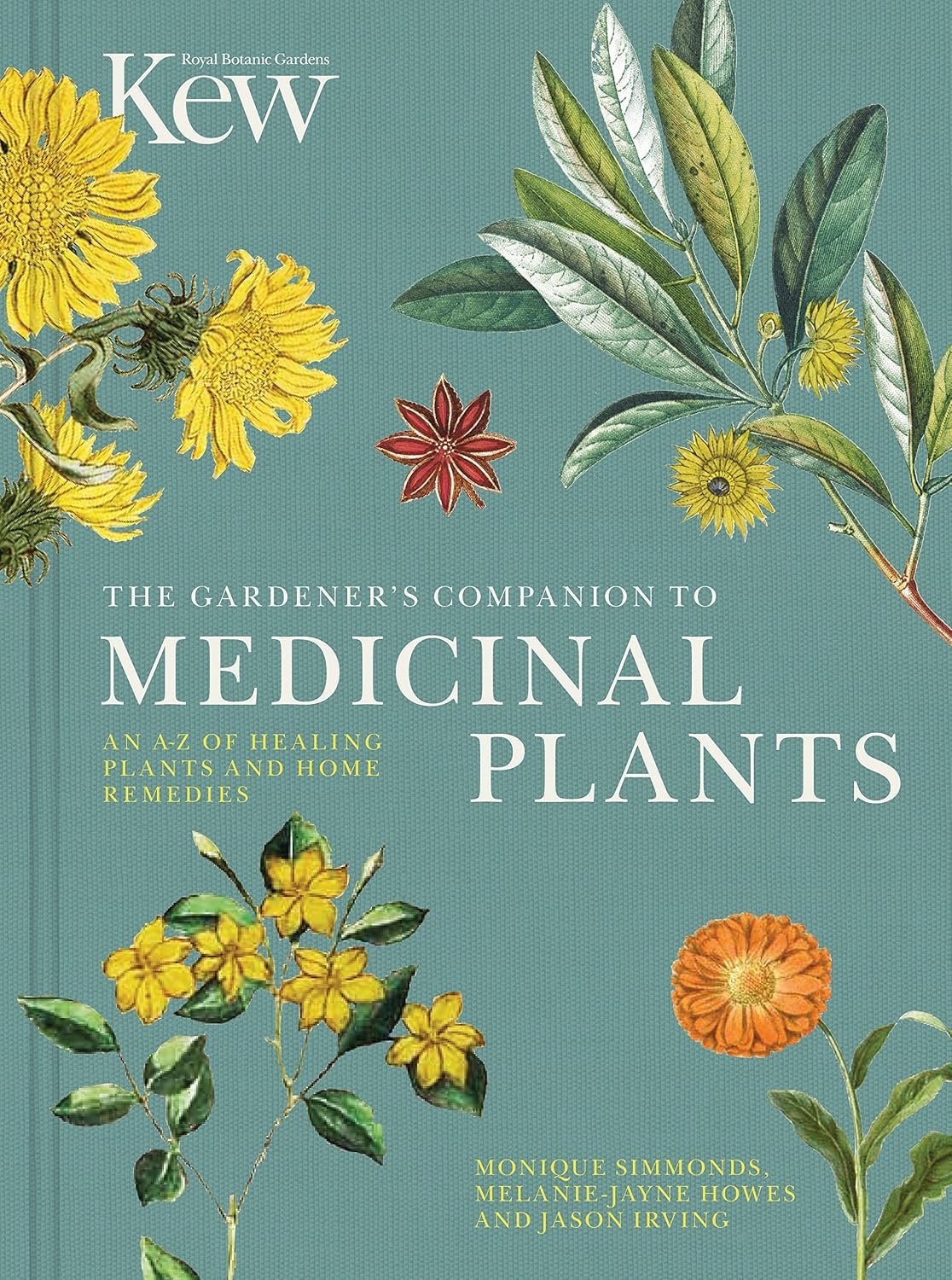
The Gardener’s Companion to Medicinal Plants is a beautifully illustrated giftable gardening reference book, which combines exquisite botanical illustrations with practical self-help projects. Every day sees a discovery in the press about the new uses of plants, and it’s certain that most of our most important drugs are derived from plants. From willow (used to procure aspirin) to periwinkle (used in chemotherapy to treat lymphoma) many common garden plants have provided cures in modern medicine. In this book readers can discover more than 200 life-saving plants and 25 home-grown remedies to make themselves. Each home cure is described and illustrated with step-by-step photographs to show how you can be a gardener and heal yourself.
From the Publisher

Krameria lappacea – Rhatany
Perennial shrub from the Andes mountains with hairy, silver leaves and red flowers. It is hemiparasitic, ie, growing on the roots of other plants, and so difficult to cultivate.
Part(s) used Root.
Traditional uses Used to treat chronic diarrhoea, dysentery, abnormal periods, incontinence, blood in the urine and as a gargle to treat sore throat. Added to water to wash eyes, nose and gums. Still used as a mouthwash and can be found as an ingredient in toothpastes.
Medicinal discoveries Laboratory studies have shown that rhatany extracts have anti-inflammatory activity and can also inhibit the formation of biofilm.

Tussilago farfara – Coltsfoot
Creeping perennial with dandelion-like yellow flowers. Found on uncultivated ground in Europe, Asia and N. Africa; introduced to N. America.
Part(s) used Flower, leaf.
Traditional uses Used as an expectorant and to soothe coughs. Leaves were smoked as a herbal tobacco to alleviate catarrhs, asthma and bronchitis. They were also used as a decoction for asthma and colds.
Medicinal discoveries Coltsfoot has been investigated for anti-blood clotting activity and anti-inflammatory and antibacterial properties. It contains pyrrolizidine alkaloids which are associated with liver damage.

Typha latifolia – Bulrush, cat’s tail
Aquatic perennial with poker-like, brown flower spikes. Often planted in ponds as an ornamental. Can be invasive and is considered a weed in parts of Australia.
Part(s) used Fruit, pollen.
Traditional uses Pollen was used for bleeding disorders. It was also used for menstruation pain and abscesses, it was reputed to have diuretic properties, aid circulation and be a remedy for diarrhoea. The fruit was used in N. America as a traditional remedy for burns and wounds.
Medicinal discoveries Studies suggest that fruit preparations have some properties that might promote wound healing.

Lavandula angustifolia [Common] English Lavender
René-Maurice Gattefossé was a French chemist who coined the phrase aromathérapie. In 1910, while carrying out research in his laboratory, he was caught in an explosion covering him in burning substances. He quickly ran outside and rolled around the grass. When his hands started to develop gas gangrene, he intuitively rinsed them in lavender essential oil. This prevented the spread and his burns healed faster than they had from previous accidents. Gattefossé went on to work with doctors in the First World War, treating French soldiers with essential oils. Lavender essential oil is now a common home remedy for minor burns, insect bites and wounds. Studies show it has a broad action against a range of infective microbes.
Botanist Richard Brook, in his book, A New Family Herbal (published 1870), recommends lavender as ‘good against all disorders of the head and nerves’, reflecting the long held reputation of lavender for calming worries and to aid sleep. The dried flowers hold their scent for a long time and make a refreshing tea suited to ease both digestive disturbances and headaches of nervous origin. Studies have shown inhaling the scent of lavender reduces alertness and memory, while improving general contentment.
Grow ‘English’ lavender is originally from the mountains of Spain, France and Italy. Enjoys well-drained neutral to alkaline soil in full sun. Flowers throughout summer.
Harvest Cut flowers at the base of stalks and hang up in bunches to dry. Rub flowers into a jar to store.
Lavender eye pillow

Step 1
30 x 10 cm (0 x 0 in) close-weave cotton fabric.
3 tablespoons dried lavender flowers 150 g (0 oz) linseed.
You will also need: sharp scissors; needle and thread or dressmaker’s pins; sewing machine.
1. To make the pillow, fold fabric in half lengthways, baste or pin together along the long side and along one short side. Leaving a 1 cm (0 inch) seam allowance, machine stitch the edges of the pillow together, leaving one short side open. Turn right side out and iron.

Step 2
2. Mix the lavender and linseed together in a jug, then pour into the pillow, filling it up to two-thirds full.

Step 3
3. Fold the open edges of the bag inwards, iron the seam, baste or pin in place, then machine stitch closed.
Place this lavender-filled pillow over your eyes before bed or when you need a few moments to chill. The soothing aroma will help you relax and unwind.
Publisher : Frances Lincoln
Publication date : February 15, 2017
Edition : Illustrated
Language : English
Print length : 224 pages
ISBN-10 : 0711238103
ISBN-13 : 978-0711238107
Item Weight : 2.31 pounds
Dimensions : 6.6 x 0.91 x 8.75 inches
Part of series : Kew Experts
Best Sellers Rank: #98,008 in Books (See Top 100 in Books) #47 in House Plant Gardening #59 in Herb Gardening #102 in Botany (Books)
Customer Reviews: 4.7 4.7 out of 5 stars (793) var dpAcrHasRegisteredArcLinkClickAction; P.when(‘A’, ‘ready’).execute(function(A) { if (dpAcrHasRegisteredArcLinkClickAction !== true) { dpAcrHasRegisteredArcLinkClickAction = true; A.declarative( ‘acrLink-click-metrics’, ‘click’, { “allowLinkDefault”: true }, function (event) { if (window.ue) { ue.count(“acrLinkClickCount”, (ue.count(“acrLinkClickCount”) || 0) + 1); } } ); } }); P.when(‘A’, ‘cf’).execute(function(A) { A.declarative(‘acrStarsLink-click-metrics’, ‘click’, { “allowLinkDefault” : true }, function(event){ if(window.ue) { ue.count(“acrStarsLinkWithPopoverClickCount”, (ue.count(“acrStarsLinkWithPopoverClickCount”) || 0) + 1); } }); });